Headset and augmented reality applications built from your real scan data – for training, maintenance, design review and site familiarisation.
We build VR and AR development projects from data captured off the real thing. How a component comes apart. What sits behind a panel you cannot open on a live machine. What a site looks like before anyone has been there. We build applications that let people take it apart, walk through it or hold it at full scale, using data captured from the real thing rather than a modeller’s approximation.
Two kinds of VR and AR development work
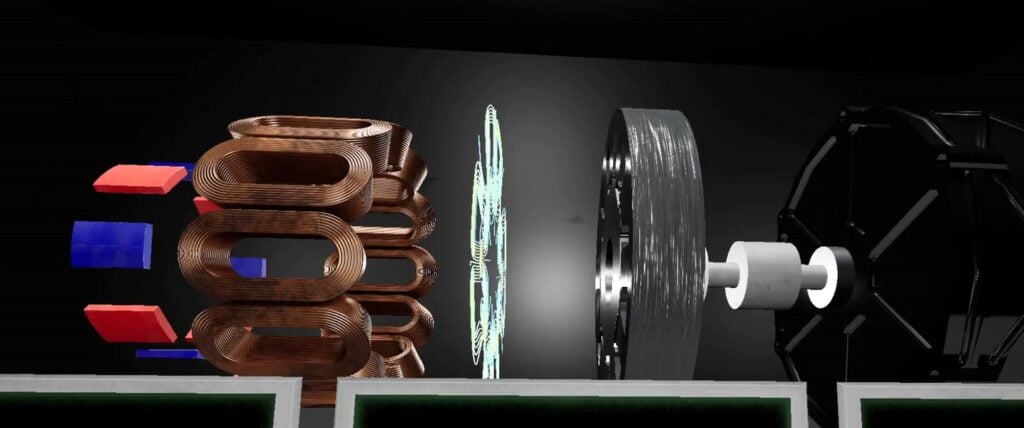
Objects. A scanned assembly viewed at full scale in a headshot or through a phone camera, taken apart component by component, annotated and put back together. This is where most training and maintenance work sits – assembly procedures, service instruction, showing the inside of a part without cutting one open.
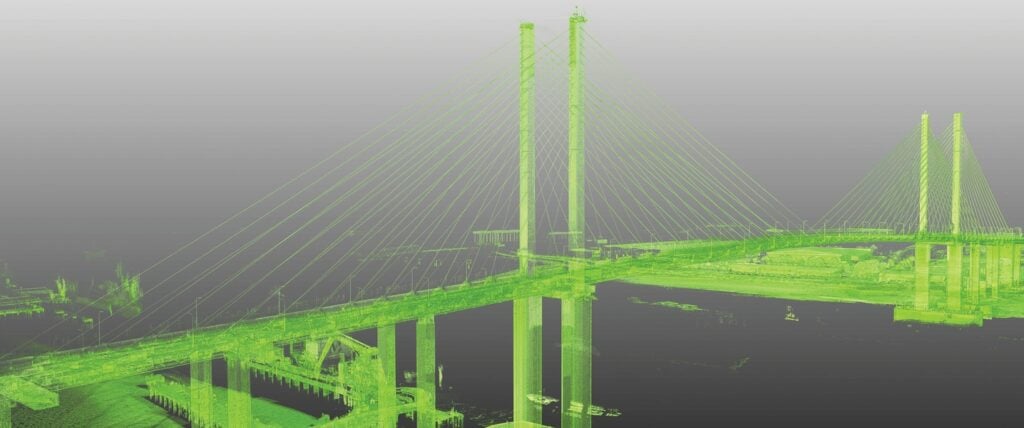
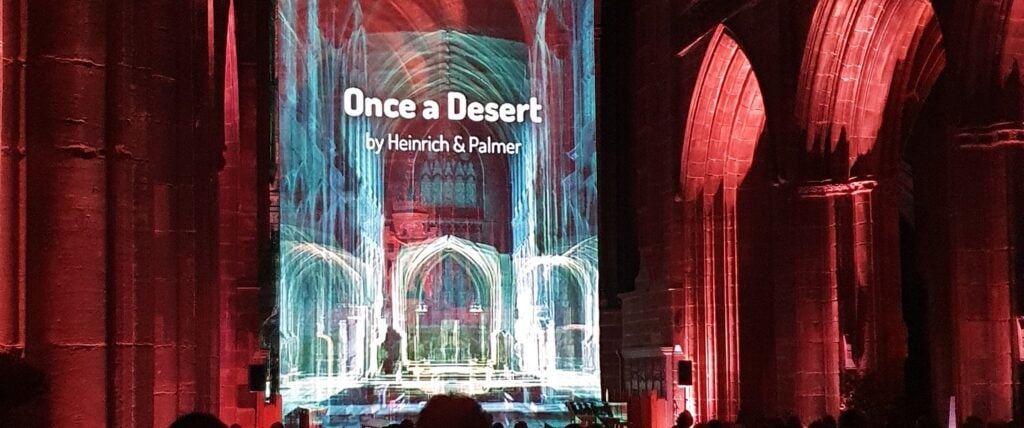
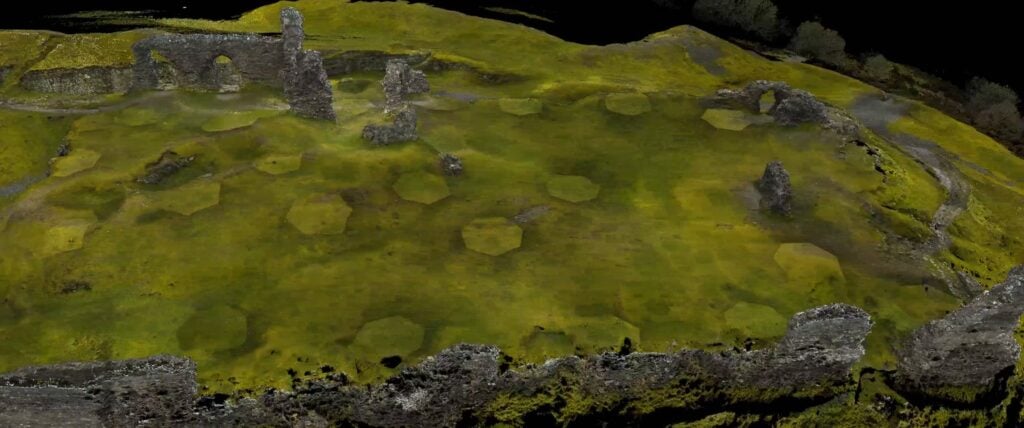
Environments. A whole space, walkable at head height. Procedure training, emergency rehearsal, virtual factory acceptance, design review and digital twins.
The pipeline behind both is the same, and so is the reason to come to us: the data comes from scanning, and we do the scanning.
Real data
Most immersive work starts with a modeller building an approximation. Ours starts with CT, laser scan or photogrammetry data of the thing as it actually is – including the internal geometry nobody can see, the modifications nobody recorded and the pipework nobody drew.
Where to start
An object is the cheaper and faster way in, and usually the more useful one. A single assembly taken apart in AR proves the approach with your own parts, on your own hardware, in weeks rather than months. Environments make sense one you know the format works for your people.